

Cannabis concentrates are products made by isolating the plant’s trichomes, the resin glands that hold THC and terpenes, into a form far stronger than dried flower. Potency runs anywhere from around 40% THC to over 90%, compared with roughly 20% for high-grade flower, so the real choice isn’t just “which one” but a trade-off between raw potency, full flavor, and how much processing the product went through to get there.
TL;DR:
- Concentrates can contain THC levels from 40% to over 90%, which can deliver a much stronger effect than typical flower and requires precise dosing.
- Lab testing and Certificates of Analysis are essential to verify actual potency, purity, and absence of residual solvents in concentrates.
- Solventless extracts like rosin and live rosin are generally purer and preserve more terpenes than solvent-based options such as shatter or distillate.
- The flavor and aroma of concentrates are primarily determined by terpene content, with live resin and live rosin offering the most authentic plant aroma.
- For beginners, starting with terpene-rich options and small doses while checking lab results ensures safer, more enjoyable experiences.
Table of Contents
- What Are Cannabis Concentrate Types and Why Are They So Strong?
- Solvent-Based vs. Solventless: How Concentrates Get Made
- The Main Types of Cannabis Concentrates, Explained Simply
- How to Use Cannabis Concentrates the Right Way
- Reading a COA and Storing Concentrates Correctly
- From Hash to High-Tech: How Concentrates Evolved
- Why Concentrate Types Smell and Taste So Different
- Our Take: What Actually Matters When You’re New to Concentrates
- Where to Buy Lab-Tested Concentrates at Fair Prices
- Sources
What Are Cannabis Concentrate Types and Why Are They So Strong?
Every concentrate starts with the same target: trichomes, the tiny crystal structures on cannabis flower that store cannabinoids and terpenes. Stripping away the plant material and isolating that resin is what pushes potency so far past flower.
The gap is significant. High-grade cannabis flower typically tests around 20% THC, while concentrates commonly range from 40% to over 90% THC. This means a dab the size of a grain of rice can deliver more THC than an entire joint, which changes how you should approach dosing entirely. Someone used to smoking flower who takes a “normal” size dab is often in for a rough surprise.
This is also where lab testing stops being optional. A Certificate of Analysis (COA) verifies actual potency and screens for contaminants, and with products this concentrated, even small testing gaps matter more than they would with flower. Before trying any new concentrate, check the batch’s COA rather than trusting the label alone or a seller’s word for it.
Solvent-Based vs. Solventless: How Concentrates Get Made
Every concentrate on the market falls into one of two production families, and knowing the difference helps you read a label instead of guessing at it. Extraction methods split into solvent-based processes and solventless processes that use mechanical or thermal separation instead of chemical solvents.
Solvent-based extraction uses a chemical solvent, most often butane, propane, CO2, or ethanol, to strip cannabinoids and terpenes off the plant material. That solvent then has to be removed through a process called purging. A properly purged solvent-based extract typically shows “non-detect” for residual solvents on its COA, an important quality indicator.
Solventless extraction skips chemicals entirely, relying on ice water agitation, dry sifting, or heat and pressure to physically separate the resin.
- Solvent-based outputs: shatter, wax, budder, crumble, distillate, sauce, and diamonds
- Solventless outputs: rosin, bubble hash, dry sift, and kief
- Purging matters: unpurged extracts can carry residual solvent and taste harsh
- “Live” inputs: flash-freezing fresh plant material instead of curing it locks in the terpenes that would otherwise degrade, which is why live resin and live rosin have such a distinct aroma compared to concentrates made from dried, cured flower.
The Main Types of Cannabis Concentrates, Explained Simply
Texture names like wax, budder, crumble, and shatter often describe how the same extracted oil was whipped, cooled, or left to set, not a fundamentally different product. Once you know that, the shelf gets a lot less confusing.
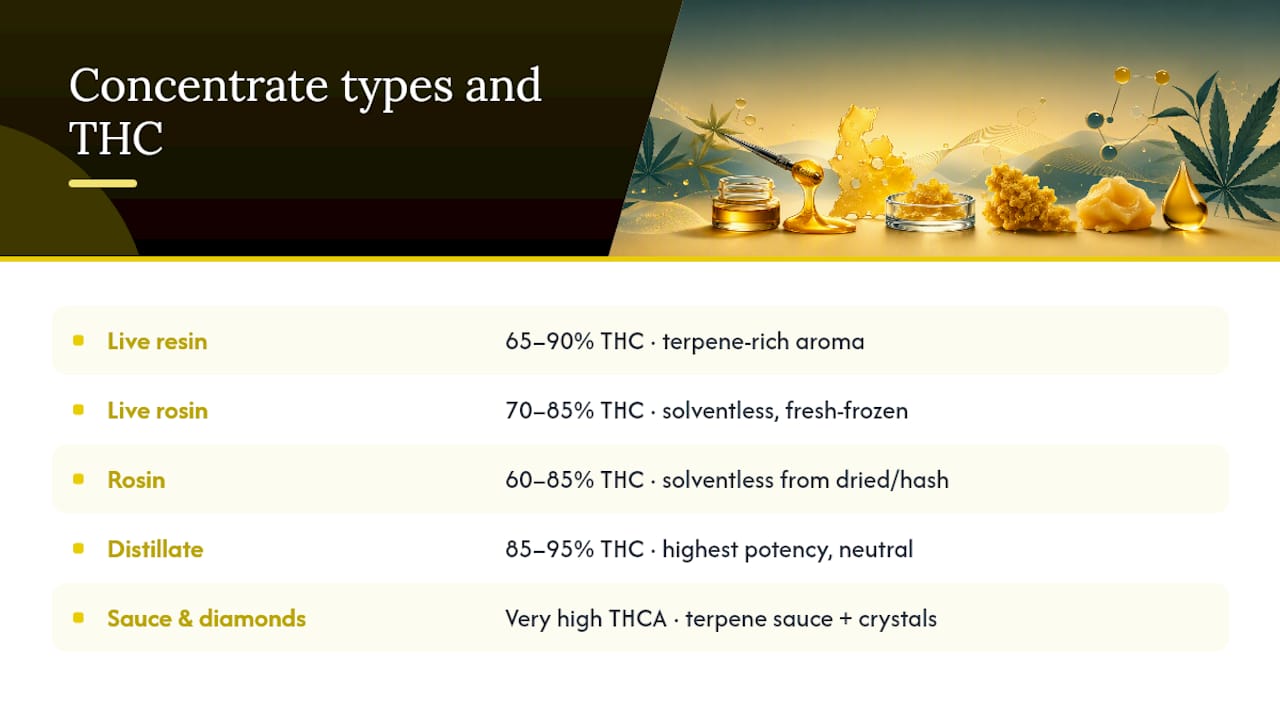
Live resin is made from fresh-frozen plant material rather than dried and cured flower, which preserves the terpenes that give it a strong, true-to-strain aroma. It has a sticky, sap-like texture and usually falls in the 65% to 90% THC range. Most people dab it or vape it in a live resin cartridge. If flavor is your priority, this is the category to start with.
Live rosin takes that same fresh-frozen starting material and presses it with heat and pressure instead of solvent, landing it in the solventless camp. Expect a texture ranging from creamy to slightly grainy and THC in the 70% to 85% range, similar to hash rosin generally. It’s the pick for anyone who wants live resin’s flavor without any chemical solvent involved.
Rosin (made from dried flower or pressed hash rather than fresh-frozen material) is squeezed out using nothing but heat and pressure. Flower rosin typically tests around 60% to 80% THC, while hash rosin runs 70% to 85%. Texture varies from a soft, malleable “budder” consistency to something closer to sap. Because it’s solventless, purity-focused buyers often reach for rosin over shatter specifically to skip solvent purging altogether.
Distillate is the most refined concentrate on this list. It’s stripped down to nearly pure THC, and testing typically lands between 85% and 95%, with almost no smell or taste until terpenes are added back in. That’s exactly why it shows up in vape cartridges and edibles more than in dab rigs. If raw potency and a neutral flavor base matter more to you than aroma, this is the workhorse.
Shatter is a solvent-based extract purged into a thin, glass-like sheet that snaps when you break it. It sits in a broad THC range and delivers a strong, fast effect, though it typically carries less aromatic complexity than live resin. Anyone shopping shatter as a top pick should still confirm the batch’s COA before buying, since texture alone doesn’t tell you much about purity.
Wax, budder, and crumble are essentially the same solvent-based oil whipped, aerated, or dried to different final textures. Wax is soft and opaque, budder is creamy, and crumble is dry and easily broken apart. All three land in similar potency ranges and get dabbed or vaporized the same way.
Sauce and diamonds are a striking combination: a terpene-rich liquid (“sauce”) surrounding crystallized THCA structures (“diamonds”). Diamonds themselves can test extremely high in THCA, and the sauce layer adds back the flavor that pure isolate lacks.
THCA diamonds and isolate are close to pure crystallized cannabinoid, often exceeding 90% THCA before decarboxylation. They carry almost no flavor on their own, which is why they’re frequently paired with terpene sauce or dabbed alongside a flavorful flower.
Kief and hash represent the oldest, least processed end of the spectrum. Kief is the loose trichome powder collected from a grinder, and bubble hash is made by agitating trimmed material in ice water to knock those same trichomes loose before pressing them into a solid mass. Both are common starting materials for rosin or pressed hash products, and comparing kief versus hash directly is worth doing before you buy either one for the first time.
Tinctures, CO2 oils, and cartridges package concentrate (usually distillate or a live resin blend) into a ready-to-use format, whether that’s drops under the tongue or a prefilled vape cartridge.
Infused flower and moonrocks coat regular buds in concentrate, then often roll the result in kief, stacking three layers of potency into one product.
Pro Tip: If two products list the same “THC%” but one smells noticeably stronger, check the terpene percentage on the COA, not just THC. Aroma intensity tracks with terpene content, not potency.
How to Use Cannabis Concentrates the Right Way
Concentrates reward a slower, more deliberate approach than flower does. Here’s a practical sequence for trying one safely:
- Pick your method first. Dab rigs (torch and nail) deliver the strongest hit and the steepest learning curve. Electronic rigs (eRigs) automate the temperature, which removes a lot of guesswork for beginners. Cartridge vape pens are the simplest entry point since the device manages heat for you.
- Start at rice-grain size. A dose around 0.025 grams is a sensible starting point for dabbing or vaping any new concentrate, regardless of your flower tolerance.
- Wait before you redose. Effects from dabbing or vaping can take several minutes to peak. Give it time before deciding you need more.
- Match temperature to your goal. Lower temperatures preserve terpene flavor but produce a gentler vapor; higher temperatures burn hotter and harsher but vaporize more material per hit.
- Skip anything without a COA. Unknown sourcing and missing lab results are the two biggest red flags in the concentrate market.
Pro Tip: If you’re mixing concentrate with flower in a bowl or joint (sometimes called “twaxing”), use less than you think you need. The combined potency adds up faster than the visual amount suggests.
Reading a COA and Storing Concentrates Correctly
A Certificate of Analysis is the one document that turns a marketing claim into a verified fact, and lab results remain the single most reliable way to confirm what’s actually in a concentrate since packaging claims alone aren’t verifiable.
- Potency: confirms actual THC/THCA percentage against the label
- Terpene profile: shows which terpenes are present and in what concentration
- Residual solvents: should read “non-detect” on any properly purged solvent-based extract
- Pesticides and heavy metals: flags contamination that can occur even in solventless products, since the plant material itself can carry residue
Solventless doesn’t mean untested. Rosin and hash still need contaminant screening because the risk comes from how the plant was grown, not just how it was extracted. For storage, keep concentrates in airtight glass, away from heat, light, and humidity, all of which degrade terpenes and can affect texture. If you’re storing hash long term, dedicated storage methods help preserve potency far longer than a plastic bag ever will. Skip anything sold without lab results, with an odd chemical smell, or from a source that won’t say where the material came from.
From Hash to High-Tech: How Concentrates Evolved
Concentrated cannabis is nowhere near a modern invention. Hand-rubbed hashish and pressed kief have been made for centuries across parts of Asia and the Middle East, using nothing more than friction and pressure to separate trichomes from plant material. That mechanical approach is essentially the ancestor of today’s solventless rosin.
The shift toward solvent-based extraction in North America picked up in the 1990s and 2000s, when hobbyists started experimenting with butane to strip resin off trim more efficiently than hash-making allowed. That era produced the earliest widely available “BHO” (butane hash oil) products, which eventually branched into shatter, wax, and budder as purging techniques improved and made the final product safer to consume.
Distillate arrived later, borrowing short-path distillation equipment from other industries to isolate cannabinoids at a purity level hash-making could never reach. Around the same period, legal, regulated markets began requiring lab testing, which pushed the entire category toward standardized potency claims and residual solvent limits.
The most recent shift has been a swing back toward solventless products. Live rosin and fresh-frozen extraction methods now compete directly with solvent-based products on potency while offering flavor that many consumers associate with the plant itself rather than a processed version of it. It’s a full loop: the oldest method in cannabis history is now marketed as the premium option.
Why Concentrate Types Smell and Taste So Different
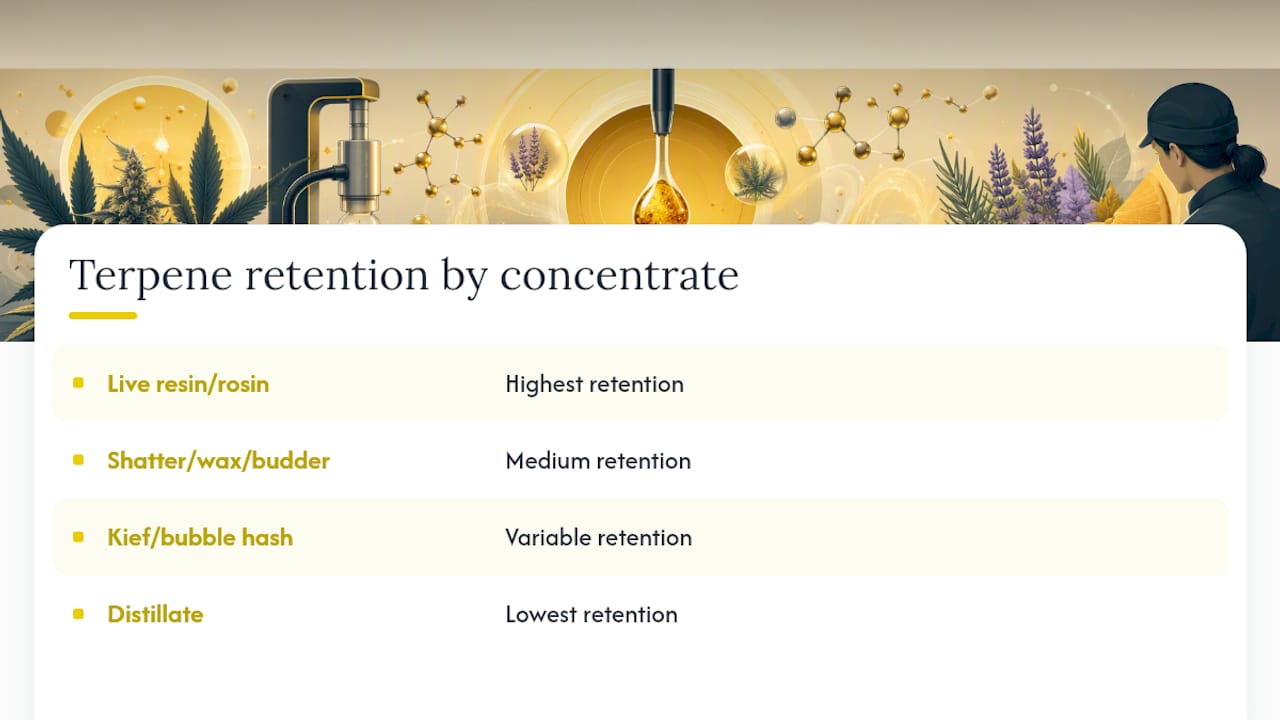
Terpenes, not THC, are what create the smell and taste differences between concentrate types, and how each product is made determines how many of those terpenes survive.
Live resin and live rosin sit at the top of the flavor spectrum because they start from fresh-frozen plant material instead of dried, cured flower. That single production choice preserves volatile terpenes that would otherwise evaporate during the drying and curing process, which is why live resin and live rosin tend to smell closer to the live plant than almost anything else on the shelf.
Distillate sits at the opposite end. That’s not a flaw. It’s why distillate is popular for edibles and cartridges, where manufacturers add terpenes back in deliberately to control the flavor rather than relying on whatever survived extraction.
Shatter, wax, budder, and crumble fall somewhere in the middle. Because they come from cured flower rather than fresh-frozen material, they retain a real but comparatively muted aroma next to live resin. Kief and bubble hash vary widely depending on the source flower, since they’re mechanical separations rather than chemical refinements, and terpene retention depends heavily on how carefully the starting material was handled.
If aroma matters as much to you as effect, checking the terpene percentage on a COA tells you more than the strain name ever will.
Our Take: What Actually Matters When You’re New to Concentrates
Most beginner guides push people toward the highest THC percentage on the shelf, and that’s backwards. The number that matters more is the terpene percentage, because it predicts how the experience actually feels, not just how strong it is.
Our advice for a first purchase: pick either a terpene-forward live resin or a solventless rosin, and start at a dose smaller than you think you need. Judge the product by its COA, not its marketing copy. Bulk Cheap Weed lists lab-tested potency and residual solvent results on its concentrate pages specifically so you’re not guessing.
— Supherbs
Where to Buy Lab-Tested Concentrates at Fair Prices
Dispensary markups on concentrates can be steep, especially on live resin and rosin, because small-batch solventless production costs more to run. Bulk purchasing can keep prices down without swapping in untested product, avoiding dispensary margins for the same lab-verified potency.
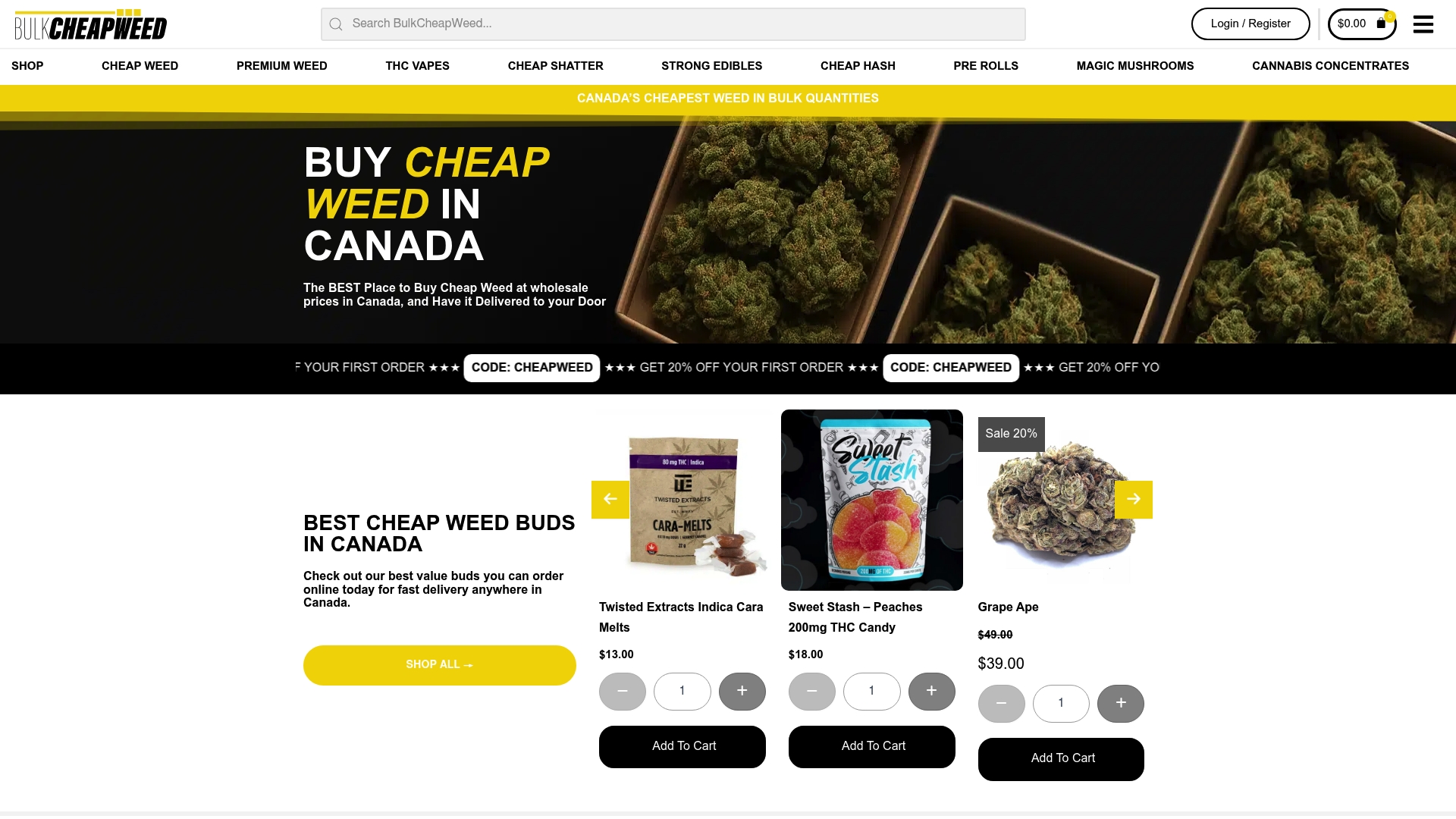
The Bulk Cheap Weed shop carries shatter, live resin, hash, and other concentrate types alongside flower and edibles, with lab results available for the concentrates listed. If flavor is your priority, the terpenes guide breaks down what to look for on a COA before you commit to a strain. Browse the shop, check the lab results on the product page, and start with a small quantity until you know how a given concentrate hits for you.